Desalter Rag Layer and Emulsion Monitoring
See changing emulsion conditions before they become an upset.
A desalter interface can broaden into a rag or emulsion layer as crude blend, wash water, mixing, temperature, solids and chemical treatment change. Agar ID-200 measurements at selected elevations can support brine control, indicate emulsion growth and warn of changing separation.
Monitor water, oil and emulsion at engineered elevations
APPLICATION VIEW
Several local concentration measurements can show whether water-rich, emulsion and oil-rich conditions are moving at points that matter. Their trends should be assessed with wash-water quality, mixing, grid current, crude blend, temperature, brine quality and the chemical programme.
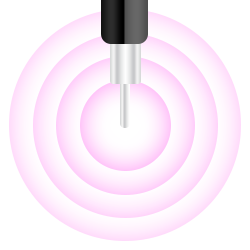
Protect the brine outlet by detecting hydrocarbon concentration near the water draw-off condition.

Watch the transition zone for evidence that the emulsion is growing or moving.
Warn before a water-rich condition reaches a sensitive grid region.

Where required, compare vessel behaviour with an engineered upstream measurement.
A four-point control view
Define ranges, alarms, trends, valve action and operator checks before changing wash water, mixing or chemical treatment.
Application engineering
PMA reviews the P&ID, vessel drawing, intended elevations, crude range, wash-water source, connections and hazardous-area requirements.
Control-system integration
Your questions answered.
Desalter rag-layer and emulsion-monitoring questions.
What is a rag layer?
It is an oil-water transition zone containing an emulsion and often solids. Its thickness and position can change.
Can one instrument show both edges?
A single measurement describes its local condition. Several elevations may be used where the project needs information over a larger vertical range.
Will monitoring identify every root cause?
No. It adds direct evidence, but troubleshooting still requires feed, wash-water, mixing, electrical and chemical-treatment data.
Can an existing desalter be retrofitted?
Potentially, subject to review of nozzles, insertion, materials, pressure boundary, grid clearance and shutdown constraints.
All great relationships start with a conversation
To contact us, or to request a callback, simply use this form and we will promptly get back to you.